A login link has been sent to your inbox. If it doesn't arrive in 3 minutes, be sure to check your spam folder.
 Our Blog
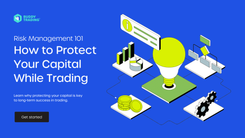
In the fast-paced world of trading—whether it’s crypto, stocks, or forex—making profits is only part of the game. The other, arguably more important part, is knowing how to protect your capital. Without proper risk management, even the best strategy can lead to devastating losses. If you’re serious about long-term success in trading, understanding risk management isn’t optional—it’s essential. Why Risk Management Matters Let’s get real: not every trade will go your way. Even professional tra
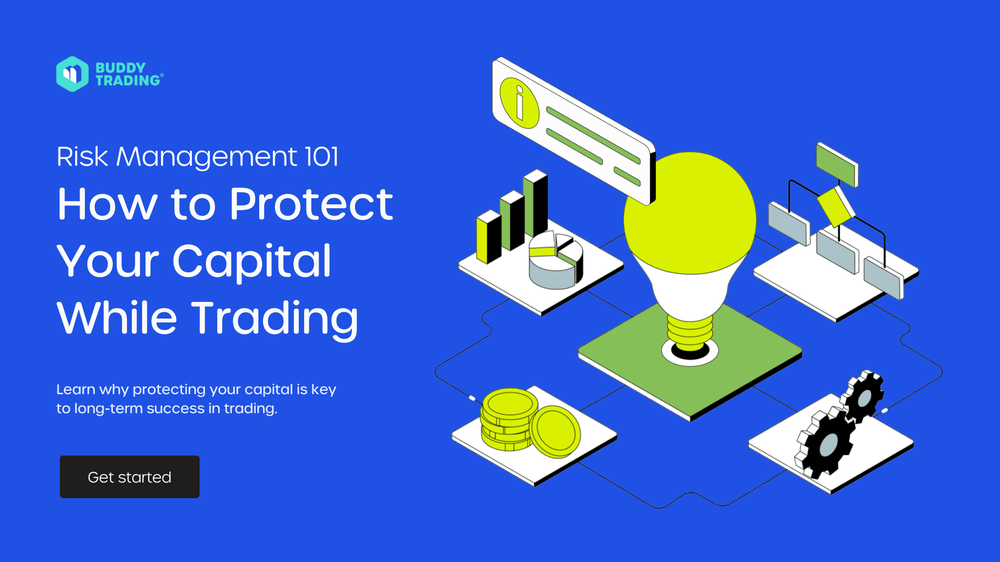
In the fast-paced world of trading—whether it’s crypto, stocks, or forex—making profits is only part of the game. The other, arguably more important part, is knowing how to protect your capital. Without proper risk management, even the best strategy can lead to devastating losses.
If you’re serious about long-term success in trading, understanding risk management isn’t optional—it’s essential.
Why Risk Management Matters
Let’s get real: not every trade will go your way.
Even professional traders lose trades regularly. The difference between a novice and a seasoned trader often comes down to how they handle those losses. Without a plan to manage risk, you’re not trading—you’re gambling.
Good risk management helps you:
Here’s a breakdown of the key principles every trader should apply—regardless of your style or the market you're in.
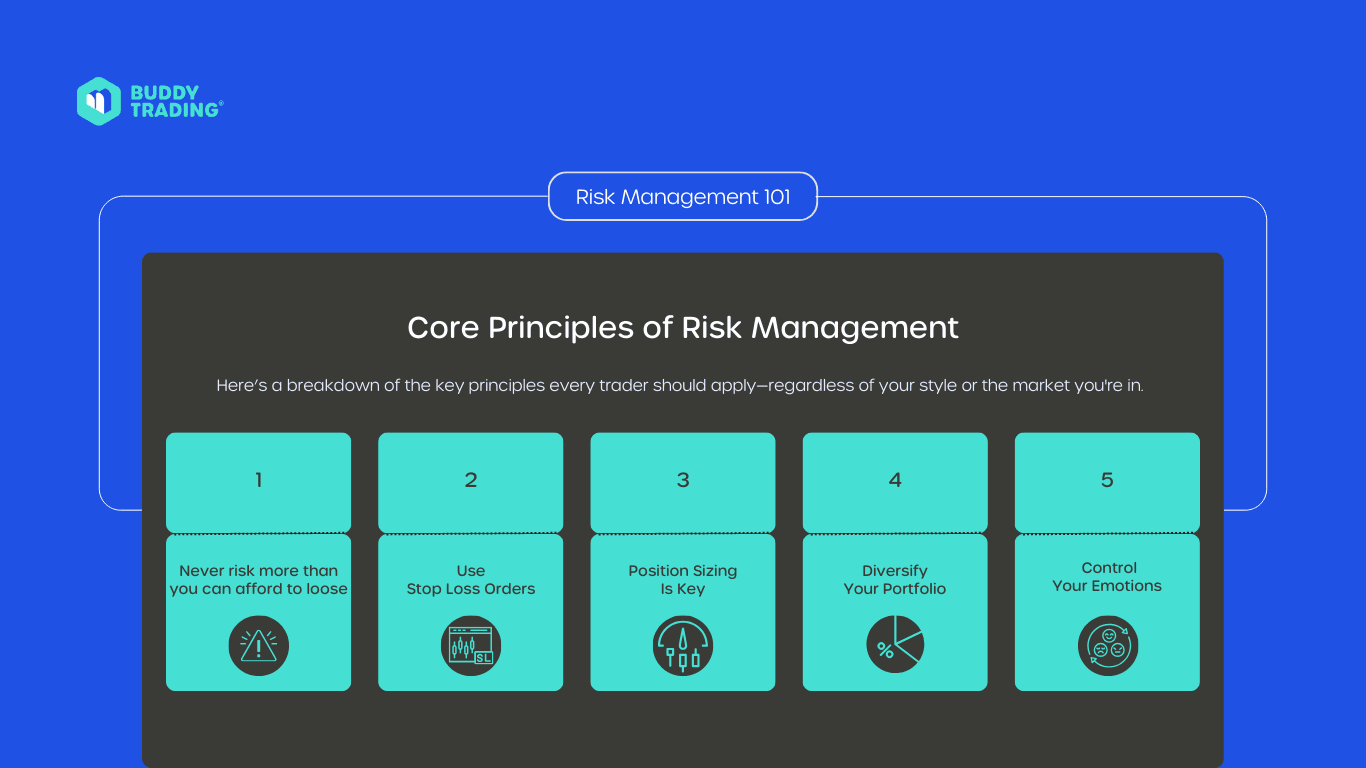
This sounds basic, but many traders ignore it. Your trading capital should be money you’re willing to risk—not rent money, not your emergency fund.
Golden Rule: Risk only 1–2% of your total capital per trade. If you have $1,000 in your account, don’t risk more than $10–$20 on a single trade.
A stop loss is a predefined point at which you exit a trade to limit your losses. It’s your safety net.
Example: If you buy Bitcoin at $30,000, and you want to risk only 5%, you might set your stop loss at $28,500.
Pro Tip: Never move your stop loss further away to “give the trade more room.” That’s emotion, not strategy.
Even with a great strategy, poor position sizing can wipe out your account. Calculate how many units of an asset you can buy based on:
This prevents oversized trades that could drain your account in one bad move.
Don’t put all your capital into one trade or one asset. spreads your risk across multiple opportunities and helps soften the blow if one trade goes south.
In crypto, for example, don’t go all-in on one token. Mix it up with large caps, mid caps, and maybe some stablecoins.
One of the biggest risks in trading is you.
Build emotional discipline by sticking to your trading plan and risk limits—especially when the market gets volatile.
There are plenty of tools and features that can support better risk management:
If your platform has features that help limit exposure or automate exits—use them.
Avoid these rookie errors:
Even one of these mistakes can put your capital at serious risk.
A lot of traders think risk management is about avoiding losses altogether. That’s not true. Losses are part of the game. The goal is to make sure that your losses don’t wipe you out.
Great traders don’t avoid risk—they respect it and manage it smartly.
If you’re serious about becoming a consistent, profitable trader, mastering risk management should be your top priority. It’s not the sexiest part of trading, but it’s the foundation that holds everything together.
You can have the best strategy in the world, but if you don’t manage your risk, you won’t last long in the markets.
Start with simple rules:
Protect your capital—and your capital will protect you.
Want this turned into a Telegram carousel, X thread, or short-form video script for your trading community? Just say the word—I can tailor it to any channel.
📢 Join the BuddyTrading community today!
🌐 Visit us: BuddyTrading.com
🐦 Follow us: @BuddyTradingApp
💬 Chat with us: https://t.me/BuddyTradingApp
🚀 Stay ahead with expert insights & real-time updates!

Subscribe to our newsletter and be the first to access exclusive content and expert insights.



 4 min read