A login link has been sent to your inbox. If it doesn't arrive in 3 minutes, be sure to check your spam folder.
 Our Blog
Retail trading has opened up a world of opportunities for many traders — allowing beginners to follow experienced pros and mirror their trades with ease. But while retail trading can simplify market entry, it doesn’t mean you can ignore the fundamentals of risk management. One of the most crucial tools every retail trader should master is the stop-loss. Why Stop-Loss Matters in Retail Trading When you follow a lead trader, you’re essentially linking your portfolio to their decisions. But what
Retail trading has opened up a world of opportunities for many traders — allowing beginners to follow experienced pros and mirror their trades with ease. But while retail trading can simplify market entry, it doesn’t mean you can ignore the fundamentals of risk management. One of the most crucial tools every retail trader should master is the stop-loss.
Why Stop-Loss Matters in Retail Trading
When you follow a lead trader, you’re essentially linking your portfolio to their decisions. But what happens if the market suddenly moves against their position? Without safeguards, a single bad trade can erode your capital quickly.
This is where a stop-loss comes in. It’s a preset level at which a trade automatically closes to prevent further losses. For retail traders, setting stop-loss levels isn’t just about limiting losses — it’s about preserving your ability to stay in the game and take advantage of future opportunities.
Common Mistakes Retail Traders Make with Stop-Loss
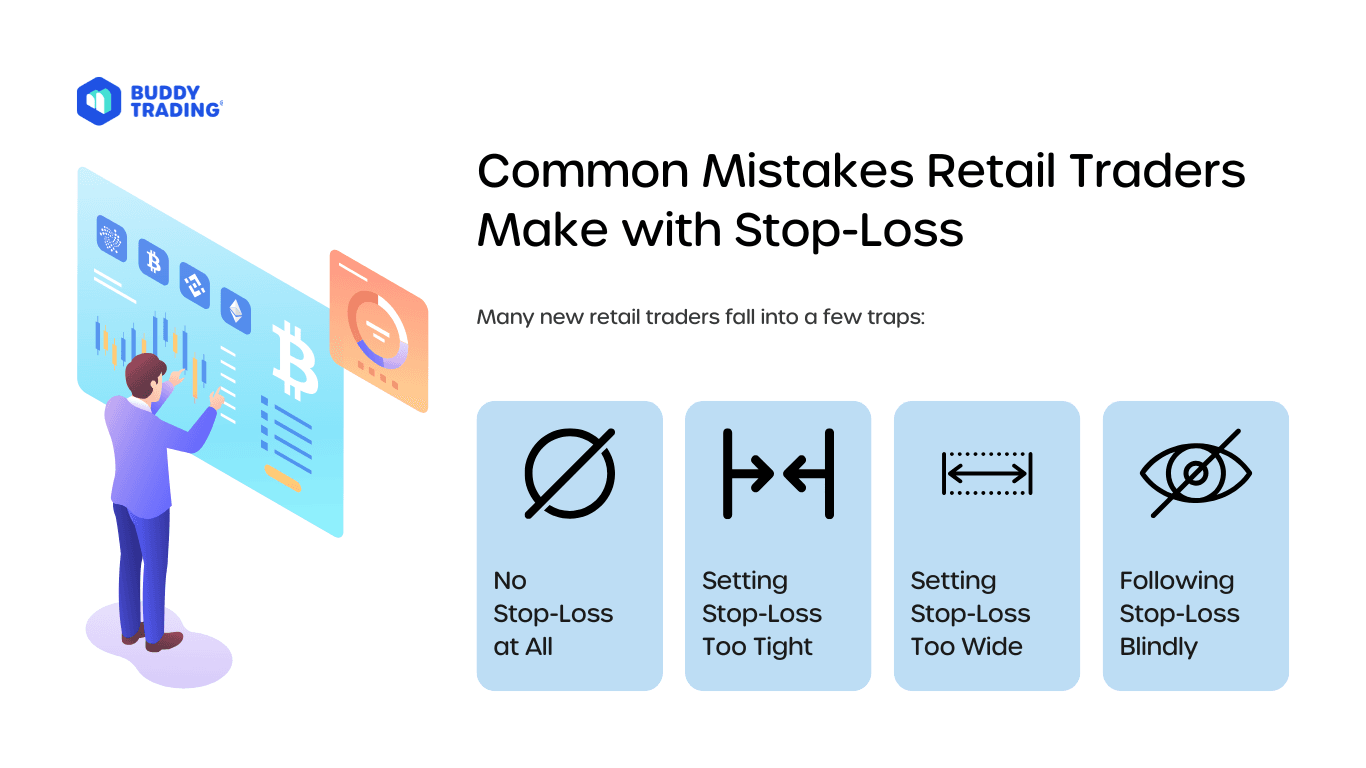
Many new retail traders fall into a few traps:
Understanding these pitfalls helps you build a better risk management strategy tailored to your needs.
How to Set Stop-Loss Levels as a Retail Trader
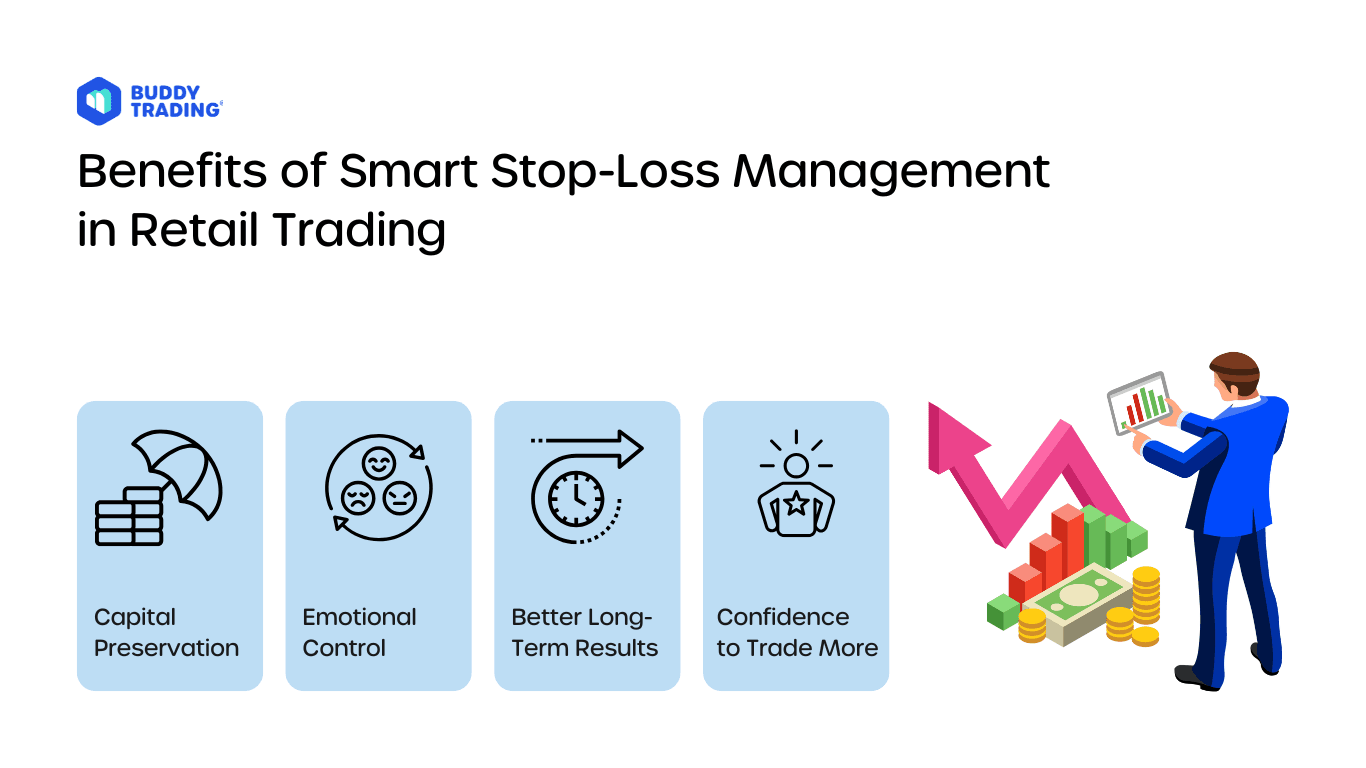
Benefits of Smart Stop-Loss Management in Retail Trading
Final Thoughts
Retail trading is a powerful tool, but it’s not a “set and forget” system. The best traders know that managing risk is just as important as finding the right opportunities. Stop-loss is your first line of defense — setting it wisely can mean the difference between steady growth and frustrating losses.
Take the time to understand your risk tolerance, learn about your lead trader’s approach, and tailor your stop-loss settings accordingly. It’s your money, your future — protect it.

Subscribe to our newsletter and be the first to access exclusive content and expert insights.



 4 min read